Snap-On Dentures vs. Traditional Dentures: A Straightforward Overdenture Guide
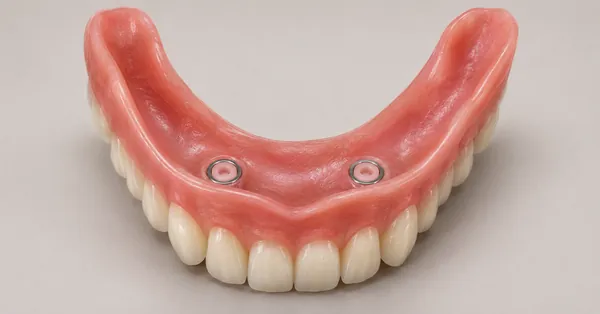
If you’ve been told you may be a candidate for “snap-on dentures,” it’s completely normal to have questions about what that term really means. Many people looking for overdentures in Cathedral City are trying to address the same concern: a removable denture that shifts, lifts, or feels unreliable while eating or speaking. In this guide, we break down overdentures in plain language—what attachments are (and what they aren’t), what daily care typically involves, and when another approach may better match your goals.
TL;DR - Overdentures Can Add Stability, But They Are Not For Everyone
Overdentures (often called snap-on dentures) are removable dentures designed to feel more secure than conventional dentures. They can be supported by dental implants or, in some cases, remaining tooth roots. The right choice depends on fit, bone support, hygiene needs, and how "removable" you want your solution to be.
- Best for: people who want a removable denture with improved stability.
- Not always ideal for: patients who cannot remove/clean daily or who want a fixed (non-removable) solution.
- Expect upkeep: attachments can wear over time and may need maintenance.
- Plan matters: your exam helps decide between overdentures, full dentures, partial dentures, or other options.
In our previous blog, "Pain-Free Dentistry for Nervous Patients | Smile Guru," we discussed comfort-focused dental visits. In this article, we focus on choosing between traditional dentures and overdentures based on stability, daily care, and long-term expectations.
What Are Overdentures?
An overdenture is a removable denture that is designed to fit over supports that help it stay in place. Depending on your situation, those supports may be:
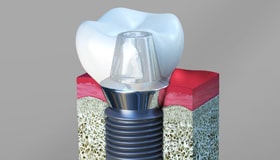
- Dental implants (a common way to improve retention and reduce movement)
- Prepared natural tooth roots (when appropriate, and when those roots are healthy enough to keep)
Many patients use the phrase "snap-on dentures" because some overdentures attach with a noticeable click or "snap" feel. Not every attachment feels identical, and not every overdenture uses the same components.
Overdentures in Cathedral City: What Patients Usually Mean by "Snap-On"
When patients ask about overdentures in Cathedral City, they are typically looking for a denture that is:
- More stable during meals
- Less likely to lift when speaking or laughing
- Less dependent on adhesive (in many cases)
- Still removable for cleaning
One experience-based observation our team often sees: patients who have struggled with a lower denture moving around are usually the most relieved by added retention, because the lower arch can be especially challenging for stability in a conventional fit.
Snap-On Dentures vs. Traditional Dentures: Key Differences
1) Stability and Retention
Traditional dentures rely on fit, suction (more for upper dentures), and muscle control. Overdentures add retention from attachments, which can reduce unwanted movement.
2) Daily Routine and Cleaning
Both options require daily cleaning. With overdentures, you also need to keep the attachment areas clean to help prevent irritation and to support long-term function.
3) Maintenance Over Time
Attachment parts can wear with normal use. Maintenance is not a sign of failure, it is part of the long-term plan for many overdenture systems.
4) How Removable You Want Your Teeth to Be
Overdentures are removable by the patient. If you want a solution that is not removed daily, your dentist may discuss other implant options.
Who Is a Good Candidate for Overdentures?
Overdentures can be a strong option for patients who want improved stability but still prefer a removable denture. You may be a good candidate if:
- You have a denture that fits reasonably well but lacks stability
- You want a more secure feel for eating and speaking
- You are comfortable removing your denture for cleaning
- You are open to discussing implants (or have remaining roots that may be usable)
If you are also researching dental implants, our dental implants in Cathedral City service page explains how implant support can help restore function and confidence.
When Overdentures May Not Make Sense
Overdentures are not automatically "better" for every patient. They may be the wrong match if:
- You cannot remove and clean a denture daily. Removable appliances require consistent hygiene.
- You want fixed teeth. Some patients want a solution that stays in place all the time.
- Your denture fit is the real issue. If the base fit is poor, attachments alone may not solve the underlying problem.
- Other health factors change the plan. A consultation helps your dentist recommend the safest, most predictable option.
If your primary need is replacing multiple missing teeth, it can help to review the basics of dentures and how complete options differ from more stabilized designs.
How Attachments Work (In Plain Language)
Attachments are the parts that help an overdenture "lock in" and resist movement. The goal is to improve day-to-day confidence, not to eliminate every possible sensation of movement.
Your dentist will explain what style is planned for you, how it should feel when seating the denture, and what signs suggest the attachments need an adjustment.
Daily Care: What to Expect With Snap-On Dentures
Daily care is one of the most overlooked parts of overdentures. A practical routine typically includes:
- Remove the denture to clean it thoroughly.
- Clean the mouth and gums (and any remaining teeth).
- Clean around attachment areas as directed by your dentist.
- Attend regular checkups to monitor fit and function.
If you are comparing tooth replacement options because you still have some natural teeth, you may also be considering partial dentures as a more conservative approach for certain situations.
Choosing Between Overdentures, Full Dentures, and Partial Dentures
Many people begin with a general search like "dentures" and then discover there are several categories. Here is a simple way to think about it:
- Complete dentures: replace all teeth in an upper or lower arch.
- Partial dentures: replace several teeth when some natural teeth remain.
- Overdentures: removable dentures designed to feel more secure by using supports (often implants).
Your exam is where the details become clear, including whether your current denture can be modified, whether a new denture is recommended, or whether implant support would change comfort and function.
FAQs
Overdentures are removable dentures designed to fit over supports for added stability. In everyday terms, many people use "snap-on dentures" to describe overdentures that attach to implants or other supports so the denture feels more secure than a traditional denture.
Many patients use less adhesive or none at all with overdentures because attachments help resist movement. However, the need for adhesive depends on your anatomy, fit, and the type of attachment system used.
Overdentures often feel more stable than traditional dentures, which can make chewing and speaking easier for many people. The best choice depends on your oral health, bone support, and expectations for retention and maintenance.
Most overdentures are removed daily for cleaning. You typically brush the denture, clean around the attachment areas, and follow your dentist's instructions for cleaning the implant or support components. Regular checkups help keep attachments functioning and the fit comfortable.
Overdentures may not be ideal if a patient cannot remove and clean the denture reliably, prefers a non-removable option, or has health or anatomical factors that change the plan. A consultation is the best way to compare choices like conventional dentures, implant-supported dentures, or fixed implant restorations.
Related Reading
Conclusion: Choose the Denture That Matches Your Daily Life
If you are deciding between traditional dentures and overdentures, the most important question is not just "what is newer," but what fits your daily routine, comfort preferences, and long-term maintenance expectations.
At Smile Guru, Dr. Keerthi Senthil and our team help patients compare options clearly, including stability goals and what it takes to keep your denture comfortable over time.
Want help deciding whether overdentures are right for you? Call us at 760-425-4600 or request an appointment.
Schedule a Consultation