Pain-Free Dentistry for Nervous Patients | Smile Guru

If you have ever postponed a cleaning or treatment because you were worried it would hurt, you are not alone. A big part of what we do is helping patients feel safe, heard, and comfortable throughout care.
When people search for Pain Free Dentistry Cathedral City, they are usually not looking for a definition of pain. They want to know what will actually happen during a real dental visit, what comfort options exist, and how to choose a team that takes anxiety seriously.
TL;DR - A Calmer, More Comfortable Dental Visit Is Possible
Pain-free dentistry is not a single product or promise. It is a set of planning steps and comfort tools designed to reduce discomfort and anxiety before, during, and after treatment.
- Great numbing plus gentle technique helps prevent sharp pain during treatment.
- Clear communication (including a stop signal) reduces fear and surprises.
- Anxiety support can include breaks, pacing, and a calm environment.
- Sedation dentistry may be an option for eligible patients who feel very nervous.
- Knowing what to ask ahead of time can make your appointment feel much more predictable.
What "Pain-Free Dentistry" Means in Real Life
"Pain-free" is best understood as a comfort-first approach to dental care. In practical terms, it often includes:
- Thoughtful numbing: confirming you are actually numb before starting and adjusting if needed.
- Gentle technique: careful tissue handling and steady pacing to reduce sensitivity and soreness.
- Reduced triggers for anxious patients: explaining steps before they happen and checking in often.
- Options for anxiety: for some patients, sedation dentistry can be part of a pain-control plan.
One clinical observation our team sees often: when anxious patients feel rushed, they tend to tense their jaw and shoulders, which can make everything feel more intense. Slowing down, narrating what is happening, and building in breaks can change the entire experience.
Pain-Free Dentistry in Cathedral City: Comfort Tools We Can Use
Comfort is personal. What works for one person may not be needed for another. During your visit, we can talk through what has and has not worked in the past, then tailor a plan.
1) Strong, Predictable Numbing (Local Anesthesia)
For many procedures, effective local anesthesia is the core of pain control. The goal is to prevent sharp pain during treatment. You may still feel pressure or movement, which is normal.
- We can test numbness before starting.
- You can use a hand signal to pause at any time.
- If you feel pain, we stop and adjust.
2) Anxiety Support That Starts Before the Chair
Nervousness is not something you should have to "power through." We encourage you to share what makes dental visits hard for you (past experiences, gag reflex, fear of needles, sensitivity, or feeling out of control).
- Clear step-by-step explanations (no surprises).
- Short breaks when you need them.
- Appointment pacing that respects your comfort threshold.
3) Sedation Dentistry Options (When Appropriate)
For patients with significant dental anxiety, sedation dentistry may be an option. If you are searching for a sedation dentist in Cathedral City, the best next step is a consultation to review your medical history and match the sedation approach to your needs.
Sedation is not "one-size-fits-all." The right choice depends on the procedure length, your anxiety level, and your overall health. We will also review what to expect afterward, including transportation needs if indicated.
Common Procedures Nervous Patients Worry About (And What Usually Helps)
Fillings: "Will the Drill Hurt?"
Most filling appointments are very manageable with thorough numbing and a gentle, unhurried approach. If you are prone to sensitivity, tell us ahead of time so we can plan comfort measures from the start. You can learn more on our dental fillings page.
Root Canal Treatment: "I Have Heard Scary Stories"
Root canal treatment is often sought because a tooth already hurts. The goal is to treat the source of infection or inflammation and help you get comfortable again. Many patients are surprised by how straightforward the appointment feels when numbness and pacing are handled well. See our root canal treatment page for an overview.
Tooth Extractions: "I Am Afraid of Pressure and After-Pain"
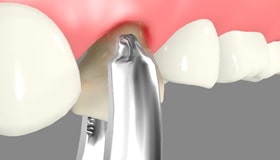
Extractions can sound intimidating, but comfort planning makes a real difference. During the procedure, you should not feel sharp pain. Afterward, soreness is possible, and we will provide instructions to help you heal as smoothly as possible. More details are on our tooth extractions page.
Longer Smile or Restoration Visits
If you need multiple steps (for example, restoring a tooth with a crown), it helps to discuss how long you can comfortably stay open, whether breaks will help, and whether a sedation dentistry approach may be appropriate. You can also review our dental crowns page for the typical process.
A Quick Checklist: What To Ask Your Dentist If You Are Nervous
Bring this list to your consultation. It can help you feel in control and make the plan more predictable.
- How will you make sure I am fully numb before you begin?
- What can I do to signal you to stop right away?
- What will I feel (pressure, vibration, sounds) during this procedure?
- What sedation options do you offer, and am I a candidate?
- What should I expect after treatment, and what is normal vs. not normal?
If you would like to review comfort-focused options with a dentist, you can contact our team at 760-318-4400.
How We Support Nervous Patients at Smile Guru
At Smile Guru, our goal is to make dental care feel more manageable for people who are anxious, sensitive, or simply have had a rough past experience. Dr. Keerthi Senthil and our team encourage you to be direct about your concerns so we can adapt the plan, not push through it.
If it helps, start with a lower-stress appointment, such as an exam and conversation about options. You can also explore our office environment on our our office page.
FAQs
Pain-free dentistry generally means we plan your visit to minimize discomfort using effective numbing, gentle techniques, clear communication, and (when appropriate) sedation options. You should still expect some pressure sensations during certain steps, but sharp pain is not the goal and should be addressed immediately.
Many patients feel pressure or vibration but not sharp pain once the area is fully numb. If you feel pinching or pain, tell us right away so we can pause and adjust the anesthesia plan.
Sedation dentistry can be a helpful option for anxiety when it is medically appropriate. Your dentist will review your health history, medications, and the planned procedure to choose a safe approach and provide after-care instructions.
Fillings, root canal treatment, tooth extractions, and some longer appointments are common reasons patients ask about comfort measures. The right plan depends on your anxiety level, the complexity of treatment, and your medical history.
Ask what type of numbing will be used, how you can signal for breaks, whether sedation is an option, what you may feel during each step, and what to expect afterward. A good plan is individualized, and your comfort concerns are valid.
Related Reading
Conclusion: You Deserve Dental Care That Respects Your Comfort
Dental anxiety is common, and avoiding care can allow small issues to become bigger problems. The good news is that comfort-focused dentistry can make routine visits and needed treatment feel far more manageable.
If you are looking for pain-free dentistry in Cathedral City and want to talk through numbness, anxiety support, or sedation dentistry options, we are here to help.
Ready to plan a calmer visit? Call Smile Guru at 760-318-4400 or request an appointment.
Schedule a Consultation