How Long Do Dental Inlays Last? Lifespan, Care Tips, and When to Replace
If you have been told you may benefit from an inlay, it is normal to wonder how long it will last and what you can do to protect it. Patients searching for inlays in Cathedral City are usually comparing options: a filling, an inlay (often porcelain), or a full crown.
In this article, we explain the practical factors that influence dental inlay lifespan, how to care for your restoration day-to-day, and the signs that it may be time to repair or replace it.
TL;DR - How to Help Your Inlay Last Longer
Dental inlays are designed to be durable, but their lifespan depends on your bite, habits (like grinding), and how well the margins stay sealed against decay over time.
- Best habits: brush, floss, and keep up with regular exams so early wear or leakage can be caught.
- Biggest risk factors: clenching/grinding, chewing ice, and untreated cracks.
- Watch for changes: new sensitivity, pain on biting, or floss catching can be early warning signs.
- Inlay vs filling vs crown: the right choice depends on how much tooth is missing and how much protection the tooth needs.
In our previous blog, "5 Benefits of Regular Dental Cleaning | Cathedral City," we discussed why preventive visits matter. In this article, we focus on how those routine checkups can directly help porcelain inlays and other restorations last as long as possible.
What Is a Dental Inlay (And Why It Is Different From a Filling)?
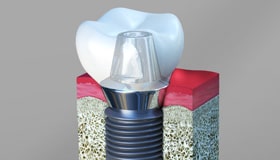
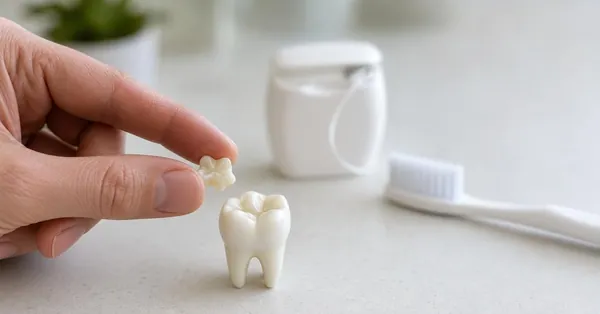
A dental inlay is a custom restoration that fits into the chewing surface of a tooth, typically used when a cavity or old filling is too large for a standard filling but the tooth does not need full coverage.
Many patients choose porcelain (ceramic) because it can look natural and is designed to hold up well under normal chewing forces. If you are exploring porcelain inlays in Cathedral City, our team also shares an overview on our porcelain inlays and onlays page.
How Long Do Dental Inlays Last in Cathedral City?
There is no single number that applies to everyone. Dental inlays can last for many years, and their longevity is influenced by both the restoration itself and the tooth and bite around it.
The Biggest Factors That Affect Lifespan
- Bite forces and tooth location: back teeth handle more chewing pressure than front teeth.
- Grinding or clenching (bruxism): repeated heavy forces can chip porcelain or stress the tooth.
- How much natural tooth remains: a stronger remaining tooth structure tends to support longer-lasting results.
- Margin health: the seam where the inlay meets the tooth must stay clean and sealed to reduce the risk of recurrent decay.
- Daily hygiene and diet: frequent sugar exposure, acidic drinks, and inconsistent flossing raise risk for decay around any restoration.
One clinical observation our team sees: patients often feel fine and assume everything is stable, but early margin wear or tiny chips can be hard to notice at home. Those small changes are exactly what routine exams are designed to catch before they turn into a bigger repair.
Care Tips That Protect Porcelain Inlays
Caring for an inlay is similar to caring for a natural tooth, but with extra attention to keeping the edges clean and reducing avoidable stress on the tooth.
Daily Habits
- Brush twice daily and clean along the gumline where plaque collects.
- Floss once daily to remove buildup between teeth and around restoration margins.
- Use your teeth for food only: avoid using teeth as tools (opening packaging, biting pens, etc.).
Habits to Avoid (The Ones That Break Restorations)
- Chewing ice or very hard candies
- Cracking nuts or hard foods with restored teeth
- Frequent sticky candies that increase cavity risk around margins
If your inlay was placed after treating decay, it can help to review the basics of prevention and restoration on our dental fillings page, since the same decay process can occur at the edges of any restoration if plaque sits there long enough.
When to Replace an Inlay: Signs to Watch For
An inlay does not always fail dramatically. More often, replacement is recommended because a small problem is found early, before it becomes pain or a fractured tooth.
Common Reasons an Inlay May Need Repair or Replacement
- New sensitivity to cold, sweets, or air that was not there before
- Pain when biting (especially a sharp twinge on release)
- Chipping or rough edges you can feel with your tongue
- Floss catching or tearing between the restored tooth and its neighbor
- Recurrent decay along the margins (often found on x-rays or during an exam)
- Cracks in the tooth that extend beyond what an inlay can safely protect
If the tooth needs more coverage to protect it, a crown may be recommended. You can learn more about that option on our dental crowns page.
Inlay vs. Filling vs. Crown: How Dentists Decide
Patients often ask, "Why not just do a filling?" or "Why not go straight to a crown?" The answer depends on how much tooth structure is missing and how much protection the tooth needs moving forward.
When a Filling May Be Enough
- The cavity or damaged area is small to moderate
- The remaining tooth structure is strong
- Bite forces are not overly heavy on that tooth
When an Inlay Is Often a Good Middle Option
- The tooth needs more reinforcement than a standard filling can provide
- The damage is contained to the chewing surface (not requiring full coverage)
- You want a custom, precisely fitted restoration
When a Crown May Be the Safer Choice
- Large portions of the tooth are missing or weakened
- The tooth has significant cracking or recurring fractures
- There is a need for full coverage protection under strong bite forces
If you are unsure which category your tooth falls into, our general dentistry page explains how exams and diagnostics help determine the right restoration.
FAQs
Porcelain (ceramic) inlays can last for many years when they are well-fitted and cared for. Longevity depends on factors such as bite forces, grinding/clenching, oral hygiene, and regular dental checkups.
Common factors include teeth grinding or clenching, chewing very hard foods or ice, recurrent decay at the margins, delayed treatment of cracks, and skipping routine exams where early issues could be caught.
Warning signs can include new sensitivity to cold or sweets, pain when biting, a rough edge or a catch with floss, visible chipping, or your dentist seeing gaps or decay around the inlay during an exam.
An inlay can be a strong option when a tooth needs more than a small filling but does not require full coverage. The best choice depends on how much tooth structure is missing, where the damage is, and your bite.
A crown may be recommended when a tooth is significantly weakened, has extensive decay or cracking, or needs full coverage to protect it under heavy bite forces. Your dentist will evaluate the remaining tooth structure and your bite to guide the decision.
Related Reading
Conclusion: Protect the Restoration by Protecting the Tooth
The best way to help an inlay last is to keep the tooth around it healthy and stable, with good home care and consistent checkups. If you notice sensitivity, a bite change, or anything that feels different, it is worth having it evaluated sooner rather than later.
At Smile Guru, Dr. Keerthi Senthil and our team help patients compare fillings, porcelain inlays, and crowns based on what the tooth actually needs, not a one-size-fits-all approach.
Want an evaluation for inlays in Cathedral City or to check an older restoration? Call 760-318-4400 or request an appointment.
Schedule a Consultation