Is Root Canal Treatment in Cathedral City Really Painful?
Hearing that you need a root canal is enough to make almost anyone feel nervous. Many people imagine a long, painful appointment and a sore tooth for weeks afterward, often based on stories they have heard rather than what modern dentistry is really like today.
In our previous blog, “Saving Your Tooth with Root Canal Treatment in Cathedral City”, we talked about how this procedure can help you keep a damaged tooth instead of losing it. In this blog, we are focusing on the question most patients ask first: Will it hurt, and what can you realistically expect before, during, and after treatment?
The good news is that with current techniques and proper numbing, the procedure is usually far more comfortable than people expect. In many cases, the pain you feel before treatment is much worse than anything you experience during the procedure itself.
5 Ways Modern Root Canals Reduce Pain and Worry
Here are five key factors that help make today’s root canal experience more manageable and less stressful.
-
Numbing the Tooth Completely Before Treatment
The first step of a root canal appointment is making sure the tooth and surrounding area are fully numb. Your dentist will gently place a local anesthetic around the tooth, then test the area before beginning. You might feel slight pressure or vibration as the work begins, but you should not feel sharp pain.
If you do feel discomfort, you can signal your dentist so they can pause and give more anesthetic. This careful numbing is one of the main reasons root canal treatment in Cathedral City can be done with far less pain than most people fear.
-
Removing the Source of the Toothache
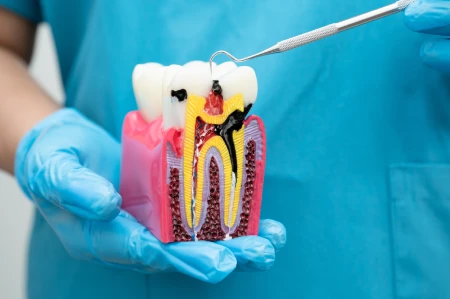
The deep, throbbing pain that brings many patients to the dental office usually comes from an infection or inflammation inside the tooth. The purpose of a root canal is to remove the damaged tissue from the inside, clean the canals, and seal them so bacteria cannot return.
By removing the infected pulp, the treatment addresses the actual cause of the pain instead of just masking it. After the initial healing period, most people feel significant relief compared to the way the tooth felt before the procedure.
-
Working With a Team That Understands Dental Anxiety
Feeling anxious about dental treatment is common, especially if you have had uncomfortable experiences in the past. A supportive dental team will ask about your concerns, explain each step in simple language, and check in with you throughout the appointment.
When you feel heard and informed, it is easier to relax and speak up if something does not feel quite right. An experienced dentist in Cathedral City will balance the technical side of treatment with attention to your comfort and peace of mind.
-
Using Modern Tools and Techniques
Advances in technology have made root canals more precise and efficient. Digital imaging helps your dentist see the shape and length of the roots more clearly, which reduces guesswork. Modern instruments are designed to clean the canals thoroughly while being gentle on the surrounding tooth structure.
These improvements often mean shorter visits, fewer surprises, and a smoother overall experience. The combination of better planning and better tools helps keep discomfort to a minimum during and after the appointment.
-
Clear Aftercare Instructions for a Comfortable Recovery
What happens after you leave the office is important too. It is normal for the tooth and nearby tissues to feel a bit tender for a few days, especially when you bite down. This soreness is usually mild and can often be managed with recommended pain relievers.
You should receive written instructions about what to expect, what to eat, and when to call if something feels unusual. If you have any questions or concerns, a well-organized dental office in Cathedral City will be ready to guide you so that small issues do not become bigger problems.
Conclusion
Root canals have a reputation for being painful, but in modern dentistry, they are designed to do the opposite. By fully numbing the tooth, using careful techniques, and giving you clear instructions for recovery, the procedure focuses on stopping your toothache and protecting your tooth for the future.
If you have been putting off treatment because you are afraid it will hurt, talking honestly with your dental team is a good first step. Ask your questions, share your worries, and let them explain how they keep patients comfortable. Addressing the problem sooner can help you get back to eating, speaking, and smiling without that constant tooth pain in the background. To find out what treatment could look like for you, call 760-425-4600 to schedule a visit and get personalized guidance for your situation.