The Real Dental Care Checklist: What Counts, What To Watch, And When To Book (Cathedral City)

When people search for dental care in Cathedral City, they are often trying to answer a simple question: "What should I be doing to avoid cavities and gum disease, and how do I know if I am falling behind?"
Dental care is more than "just a cleaning." It is a combination of prevention, early detection, and targeted treatment when something starts to change. Use the checklist below to stay on track and know when to book sooner rather than later.
TL;DR - A Simple Plan To Stay Ahead Of Cavities And Gum Disease
Dental care works best when it is routine, risk-based, and easy to follow. A strong plan includes an exam, a professional cleaning, and clear next steps based on what your teeth and gums are showing today.
- Every preventive visit should include an exam and a professional cleaning, not just "polish."
- Frequency should match your risk; some patients need more than twice a year.
- Bleeding gums are a signal to evaluate gum health, not something to ignore.
- There are clear signs you may need more than routine care, like persistent bad breath or sensitivity that sticks around.
- A good dental clinic will explain findings and options so you know what is urgent and what can wait.
In our previous blog, "5 Benefits of Regular Dental Cleaning | Cathedral City", we discussed how routine cleanings support oral health. In this article, we focus on what dental care really includes and how to use a practical checklist to stay ahead.
What Dental Care Really Includes (Beyond "A Cleaning")
Comprehensive dental care combines preventive steps and early detection so problems are treated when they are smaller and more manageable. At a minimum, most routine visits include:
- A dental check-up: evaluation of teeth, gums, bite, and any symptoms you report.
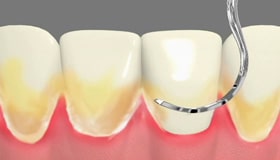
- A professional cleaning: removal of plaque and tartar, plus polishing (when appropriate).
- A personalized plan: recommended frequency and any next steps based on your risk.
If you want to read more about preventive cleaning specifically, our dental prophylaxis page explains what this type of professional cleaning is designed to do.
One experience-based observation our team sees often: many patients assume "no pain" means "no problem." In reality, early cavities and early gum disease can be quiet. That is why check-ups matter as much as cleanings.
Dental Care Checklist: What To Do At Home (Daily, Weekly, Monthly)
Daily Non-Negotiables
- Brush thoroughly twice a day and focus on the gumline where plaque accumulates.
- Clean between teeth once a day (floss or another interdental option) because toothbrush bristles do not reach tight contacts.
- Watch for bleeding when brushing or flossing, especially if it happens repeatedly.
Weekly Habit Checks
- Scan for changes: new sensitivity, rough edges, food trapping, or soreness.
- Check your gumline in the mirror: puffy tissue, red areas, or recession can signal irritation or gum disease.
- Replace worn tools: frayed flossers or a toothbrush with splayed bristles reduces effectiveness.
Monthly "Am I On Track?" Questions
- Have I had any tooth pain, swelling, or recurring sensitivity?
- Do my gums bleed or feel tender often?
- Do I have persistent bad breath even with good brushing?
- Have I postponed my last cleaning or exam?
What Happens At A Dental Check-Up (So You Know What You Are Paying For)
A dental check-up in Cathedral City should feel like a clear, structured evaluation, not a rushed look. A routine exam often includes:
- Review of symptoms and health history that can affect oral health.
- Tooth-by-tooth evaluation for cavities, cracks, worn enamel, and old restorations.
- Gum assessment to look for inflammation and signs of periodontal disease.
- Discussion of next steps that prioritizes what is urgent vs. what can be monitored.
If you are looking for broader preventive and restorative options, our general dentistry page outlines services commonly recommended after an exam.
When You Might Need More Than A Routine Cleaning
Preventive cleanings are ideal when gums are generally healthy and tartar is manageable. Sometimes, your gums or teeth show signs that need more targeted care. Consider scheduling sooner if you notice:
- Bleeding gums that happens repeatedly (not just once).
- Persistent bad breath or a bad taste that does not improve.
- Tooth sensitivity that lasts or worsens.
- Tooth pain, swelling, or a pimple-like bump on the gum.
- Food trapping between teeth or around old dental work.
For gum-focused treatment options when inflammation is present, our periodontal care page provides an overview of how gum health is managed.
Choosing A Dental Clinic For Ongoing Care: A Practical Patient Checklist
A good dental clinic is not just about convenience. It is about consistent prevention and clear communication so you can actually follow the plan. When comparing a dental clinic in Cathedral City, consider asking:
- What is included in a routine visit? (Exam, cleaning, gum evaluation, and clear recommendations.)
- How do you tailor recall frequency? (Some patients need more frequent visits based on risk.)
- How do you explain findings? (Photos, simple language, and priority-based planning help.)
- What happens if I have a sudden problem? (Know how urgent issues are handled.)
- Do you offer comfort options? If you are anxious, ask about pacing and support.
If you would like to get familiar with our environment before scheduling, you can review details on our our office page.
FAQs
Routine dental care typically includes a dental exam, a professional cleaning, and recommendations based on your cavity and gum-disease risk. Depending on your needs, your dentist may also recommend X-rays, fluoride, periodontal (gum) care, or restorative treatment like fillings.
Not exactly. A check-up refers to the exam portion (evaluating teeth, gums, bite, and overall oral health). A cleaning is the professional removal of plaque and tartar. Most preventive visits include both, but they are different parts of care.
Dental prophylaxis is a professional preventive cleaning performed to remove plaque and tartar above the gumline and help reduce the risk of cavities and early gum disease. If there is significant buildup below the gumline or active gum disease, you may need additional periodontal treatment.
Many patients do well with preventive visits every 6 months, but the best frequency depends on your risk for cavities and gum disease, home care habits, and medical history. Your dentist will recommend a schedule that fits your needs.
Common signs include gums that bleed easily, persistent bad breath, gum tenderness, loose teeth, tooth pain, visible tartar buildup, or sensitivity that does not improve. These can indicate gum disease or tooth decay that needs evaluation.
Look for a dental clinic that explains findings clearly, offers a plan that matches your risk level, and makes it easy to stay consistent with visits. Ask what is included in an exam and cleaning, how urgent concerns are handled, and how preventive care is customized.
Related Reading
Conclusion: A Simple Checklist Beats "Waiting Until It Hurts"
The best dental care is the kind you can stick with. When your home routine and professional visits work together, you are far more likely to prevent cavities, avoid gum disease, and catch issues early.
If you are due for a dental check-up or want help building a preventive plan, Dr. Keerthi Senthil and the Smile Guru team are here to help.
Ready to stay ahead of cavities and gum disease? Call 760-425-4600 to schedule your visit.
Request an Appointment