Inlays vs. Onlays vs. Fillings: Which One Fits Your Tooth Best?

If you have a new cavity or an old filling that is failing, the next question is usually not "Do I need treatment?" It is "Which restoration makes the most sense for my tooth?"
This guide is designed for patients comparing inlays in Cathedral City with onlays, fillings, and (when necessary) crowns, so you can walk into your exam with clearer expectations and better questions.
TL;DR - How To Choose Between Fillings, Inlays, Onlays, And Crowns
Think of these options as a spectrum: fillings are the smallest repair, inlays and onlays reinforce more of the chewing surface while preserving tooth structure, and crowns provide full-coverage protection when a tooth is significantly weakened.
- Fillings are best for small-to-medium decay where the tooth walls are still strong.
- Inlays reinforce the chewing surface inside the cusps when a filling may be too large.
- Onlays cover one or more cusps when a cusp is weakened or cracked (partial crown coverage).
- Crowns may be recommended if there is extensive damage, cracking, or high fracture risk.
- Bring questions about bite forces, grinding, and how much healthy tooth remains.
What Each Restoration Does (In Plain Language)
Dental Fillings: Best For Smaller Repairs
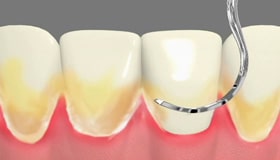
A filling replaces decayed tooth structure and restores the shape of the tooth. It is a common solution when the cavity is limited and the remaining tooth is strong enough to support the repair.
If you want a refresher on how fillings work and what they can treat, our dental fillings page explains the basics.
Inlays: A Stronger Option Than A Large Filling
An inlay is a custom restoration that fits into the chewing surface area within the cusps of a back tooth. Patients often consider inlays when the damage is too extensive for a standard filling to hold up well, but a full crown may be more coverage than the tooth needs.
Onlays: Partial Coverage When A Cusp Needs Support
An onlay is similar to an inlay, but it extends to cover one or more cusps (the pointed parts of the tooth). This can be helpful when a cusp is thin, fractured, or at risk of breaking under chewing forces.
Crowns: Full Coverage When The Tooth Needs Protection
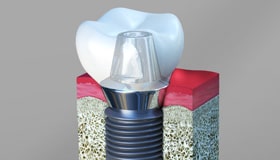
A crown covers the entire visible portion of the tooth. It is often recommended when a tooth is significantly weakened, heavily restored, cracked, or when there is not enough healthy structure left to support a more conservative option.
For a broader overview, visit our dental crowns page.
Inlays In Cathedral City: When They Are Often A Great Fit
People commonly search for inlays when they want something that feels more durable than a large filling and more conservative than a crown. While only an exam can confirm what is best, inlays are often considered when:
- The cavity is large and a filling may flex or wear down over time.
- An old filling is failing and the remaining tooth structure is still mostly intact.
- You want to preserve healthy tooth while still reinforcing the biting surface.
- There is minor cracking that does not extend into multiple cusps (your dentist will evaluate crack depth and direction).
If you have been comparing "onlays near you" with inlays, it usually comes down to whether any cusp needs to be covered for strength.
How Dentists Decide: The 5 Factors That Matter Most
1) How Much Tooth Structure Is Left
The more healthy tooth remaining, the more conservative the restoration can often be. In our experience, the turning point is usually not the cavity itself, but whether the surrounding tooth walls are strong enough to support chewing forces after the decay is removed.
2) Where The Damage Sits On The Tooth
Decay on the chewing surface may be treated differently than decay that undermines a cusp or extends toward the side of the tooth. Cusps that are thinned or cracked may push the recommendation toward an onlay or crown.
3) Bite Pressure And Habits (Clenching/Grinding)
If you clench or grind, restorations take more stress. Your dentist may talk with you about bite adjustments or protective options, because durability is about both the restoration and the forces placed on it.
4) Existing Fillings And Prior Cracks
A tooth with multiple older fillings or a history of fractures may need broader reinforcement than a first-time cavity. This is one reason a crown may be recommended even when the visible hole does not look "that big."
5) Long-Term Maintenance And Repairability
Some repairs are easier to touch up than others if wear occurs. Your dentist can explain what future maintenance might look like based on the material and the tooth involved.
Quick Self-Check: Questions To Bring To Your Exam
Use these questions to make your consultation more useful and to help you understand the recommendation in a way that matches your priorities:
- Is my cavity small enough for a filling, or will the tooth be weakened after decay removal?
- Do any cusps need coverage, or would an inlay stay within the cusps?
- How much healthy tooth structure are we trying to preserve?
- Do I show signs of clenching or grinding that affect the choice?
- When would you recommend a crown instead, and why?
If you would like a personalized recommendation, you can schedule an evaluation with Dr. Keerthi Senthil and our team.
Where This Fits With Other Restorative Options
Inlays and onlays are often described as "in between" fillings and crowns. If you want a dedicated overview of these conservative restorations, our porcelain inlays and onlays page goes deeper into benefits and care.
If you are dealing with pain, swelling, or a broken tooth, consider starting with urgent guidance from our emergency dentistry page, because time-sensitive problems can change the best restoration choice.
FAQs
An inlay is often considered when the cavity is too large or deep for a standard filling to stay strong long-term, but the tooth does not need full crown coverage. A dental exam and imaging help confirm how much healthy tooth structure remains and whether the chewing surface can be reinforced with an inlay.
An inlay fits within the cusps (the pointed parts) of a tooth, mainly restoring the center chewing surface. An onlay covers one or more cusps, acting like a partial crown when a cusp is weakened or cracked.
They can, especially when the tooth needs stronger reinforcement than a filling can provide. Longevity depends on the size of the restoration, bite forces, oral hygiene, and habits like clenching or grinding.
A crown may be recommended when a tooth is significantly weakened, has extensive decay or cracking, or needs full coverage to protect the remaining structure. Your dentist will weigh how much tooth is left, where the damage is located, and how your bite loads the tooth.
Porcelain restorations are designed to blend with natural tooth color. Exact esthetics depend on shade matching, tooth position, lighting, and the condition of surrounding enamel.
Possibly. Grinding increases stress on restorations, so your dentist may recommend bite adjustments, a nightguard, or a different restoration type depending on the tooth and how heavy your bite forces are.
Related Reading
Conclusion: Aim For The Smallest Restoration That Still Protects The Tooth
The right choice is not always the "biggest" treatment. It is the one that restores strength, seals out bacteria, and fits your bite while preserving as much healthy tooth structure as possible.
If you are deciding between dental fillings, onlays, or inlays in Cathedral City, our team can evaluate the tooth and explain why one option is likely to be more predictable for your specific situation.
Ready to get clarity on your best restoration option? Call Smile Guru at 760-425-4600.
Request an Appointment